 Ceuta Hub
Tactical Trends and Adjustments for Ceuta's Recent Matches
As Ceuta navigates its current season, the tactical choices made by the coaching staff have come under scrutiny following a mixed bag of results in their latest outings. While Los Caballas have displayed flashes of brilliance, the inconsistencies in their performances suggest that a few strategic tweaks could significantly enhance their competitive edge.
Defensive Structure: Solidifying the Backline
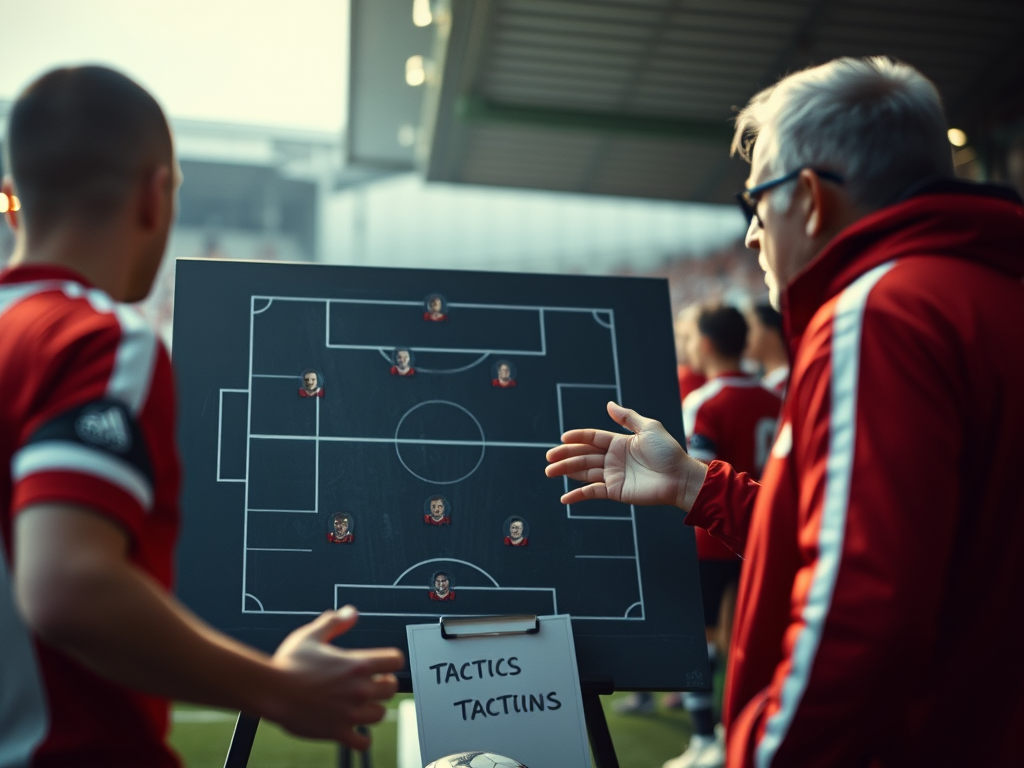
One of the primary concerns observed in recent matches has been Ceuta's defensive organization. While the team often sets up in a robust 4-2-3-1 formation, the defensive midfield pairing has occasionally been caught out of position, leading to gaps that opposing teams have exploited. To address this, a slight shift to a more compact 4-4-2 defensive shape during transitions could provide additional support to the backline. By having the wingers drop back to create a five-man defense when out of possession, Ceuta can better shield their central defenders, reducing the number of clear-cut chances against them.
Midfield Dynamics: Enhancing Creativity and Control
In the midfield, Ceuta has often relied on a combination of work rate and physicality. However, the recent matches have shown a need for increased creativity, particularly against teams that sit back and defend. Introducing a more dynamic playmaker in the central midfield role could unlock defensive lines and create opportunities. This adjustment would allow for more fluid ball movement and better utilization of the wide players, who have often been starved of service. The combination of ball retention and incisive passing will be crucial for breaking down stubborn defenses.
Attacking Options: Varied Approaches to Goal
On the offensive front, Ceuta has tended to lean heavily on direct ball play, often looking to exploit the pace of their wingers. While this approach has its merits, diversifying attacking methods could yield better results. Employing a false nine or a roaming striker could help in dragging defenders out of position, creating space for late runs from midfielders. Moreover, integrating more diagonal runs into the box can stretch the opposition and provide more scoring opportunities, particularly from crosses and set pieces.
Set Pieces: Capitalizing on Opportunities
Set pieces have become a critical aspect of the game, and Ceuta has the potential to capitalize on these situations. The team should prioritize rehearsing set-piece routines that can exploit the height and aerial ability of their defenders and forwards. Whether it’s direct free-kicks or corner takers aiming for specific targets, being more organized and creative in these scenarios can lead to vital goals in tightly contested matches.
Conclusion: Embracing Tactical Flexibility
Ultimately, Ceuta's recent form highlights the need for tactical flexibility. By focusing on a more organized defense, enhancing midfield creativity, diversifying attacking strategies, and capitalizing on set pieces, Los Caballas can improve their overall performance. With a few strategic adjustments, the team can not only bolster their league standing but also bring back the exciting brand of football that their fans cherish.