 Ceuta Hub
The Untold Story of Ceuta's 1980s Rise to Prominence
In the landscape of Spanish football, many clubs have storied histories that define their identity. For Ceuta, or Los Caballas as they are affectionately known, the 1980s represent a pivotal decade that not only marked a rise in their competitive stature but also solidified their place in the hearts of fans. It was a time when the spirit of Ceuta was intertwined with the beautiful game, and the echoes of those years still resonate today.
The decade began with a sense of optimism as Ceuta navigated through the regional leagues, showcasing a mix of young talent and seasoned players. This blend was crucial as the club sought promotion to higher tiers of Spanish football. The management understood that to thrive, it needed to build a team that was not just competitive but also representative of the local culture and passion for the sport.
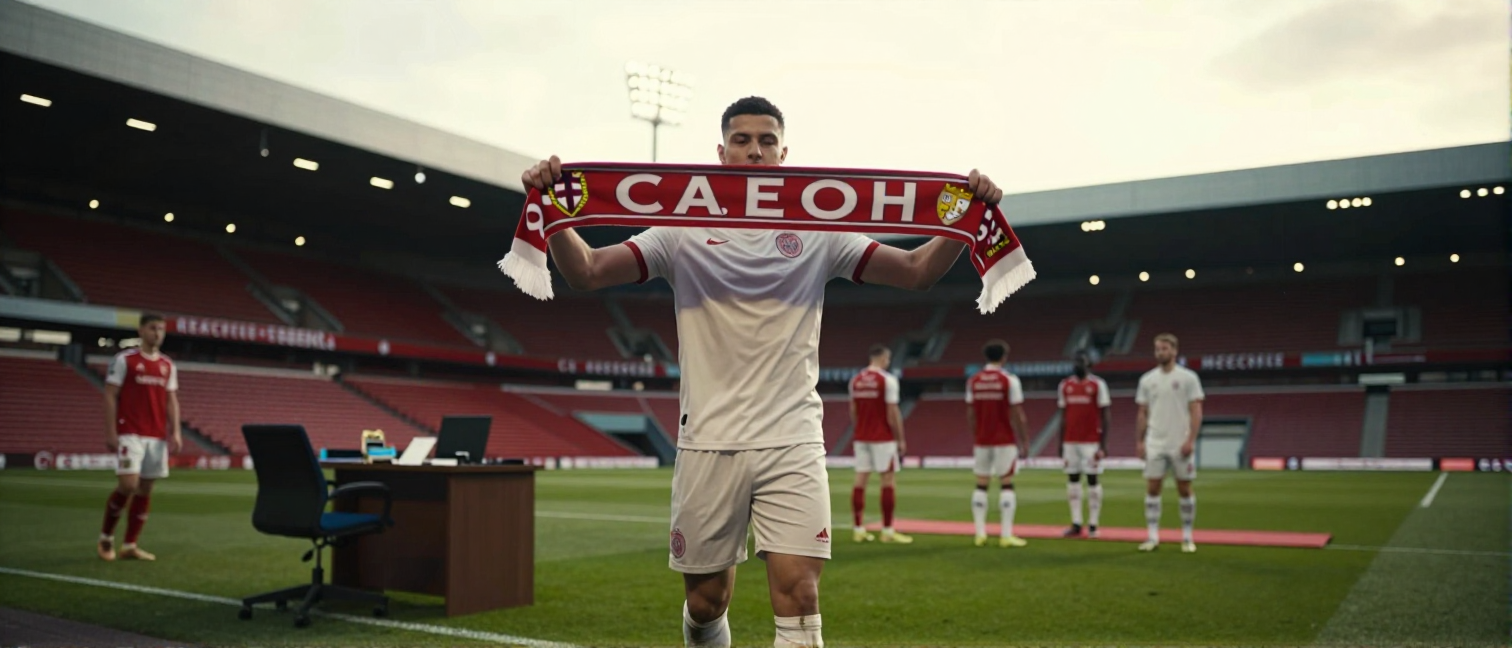
One of the standout moments from this era came in the 1985 season when Ceuta clinched the Tercera División title, a significant accomplishment that propelled them into the Segunda División B. This promotion was more than just a step up in leagues; it was a validation of the hard work put in by players, coaches, and the entire community. The club was buzzing with excitement, and the streets of Ceuta were alive with celebration, as fans flocked to the stadium to witness their beloved team compete at a new level.
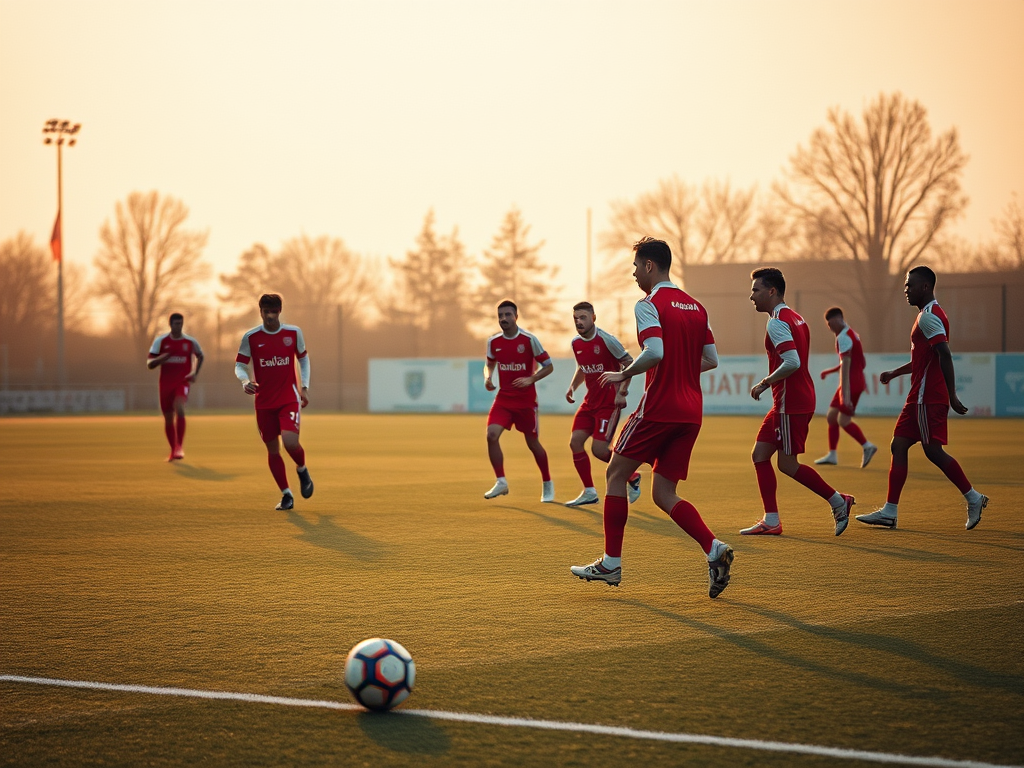
Key figures emerged during this transformative period, notably coach José Antonio Ramos, whose tactical acumen and motivational skills galvanized the squad. Ramos was known for his charismatic leadership and ability to extract the best from his players. Under his guidance, Ceuta developed a reputation for its attacking style of play, marked by fast-paced counter-attacks and a robust defense, which became a hallmark of their identity.
The success of the 1985 promotion was not a flash in the pan; it set the stage for further achievements. In the following years, Ceuta continued to build on their momentum, consistently finishing in competitive positions within Segunda División B. The club's prominence began attracting attention from larger teams across Spain, but it was the unwavering support from the local fanbase that truly fueled their ambition. Fans became a 12th man, creating an electric atmosphere at the stadium, which was instrumental in the team’s performances.
The rivalry with UD Melilla also intensified during this time, with matches turning into fierce battles that showcased the passion and pride of both clubs. Fans would gather in droves, chanting and waving flags, turning each fixture into a festival of football that transcended mere competition. These encounters were not just games; they were a celebration of regional identity and local pride, reinforcing the bond between the team and its supporters.
As the decade progressed, Ceuta faced its fair share of challenges, including financial difficulties and changes in management. However, the resilience of Los Caballas shone through, as they continued to adapt and evolve, ensuring the club’s survival and growth. The foundation laid in the 1980s would eventually allow Ceuta to navigate the complexities of Spanish football in the years that followed.
Reflecting on this transformative decade, it becomes clear that the 1980s were not merely a period of success but a defining chapter in the story of Ceuta football. The spirit of those years continues to inspire new generations of players and fans alike, reminding them of the pride and passion that comes with wearing the blue and white stripes. Today, as Ceuta looks to the future, it does so with the strength of its past firmly embedded in its identity.