 Ceuta Hub
The 1970s: A Defining Era for Ceuta's Football Identity
The 1970s was a pivotal decade for Ceuta, a time when the club began to establish itself not just within the local football scene but also on a national level. As Los Caballas navigated the complexities of Spanish football, they started to craft an identity that would resonate with fans and players alike, ultimately shaping the trajectory of the club for years to come.
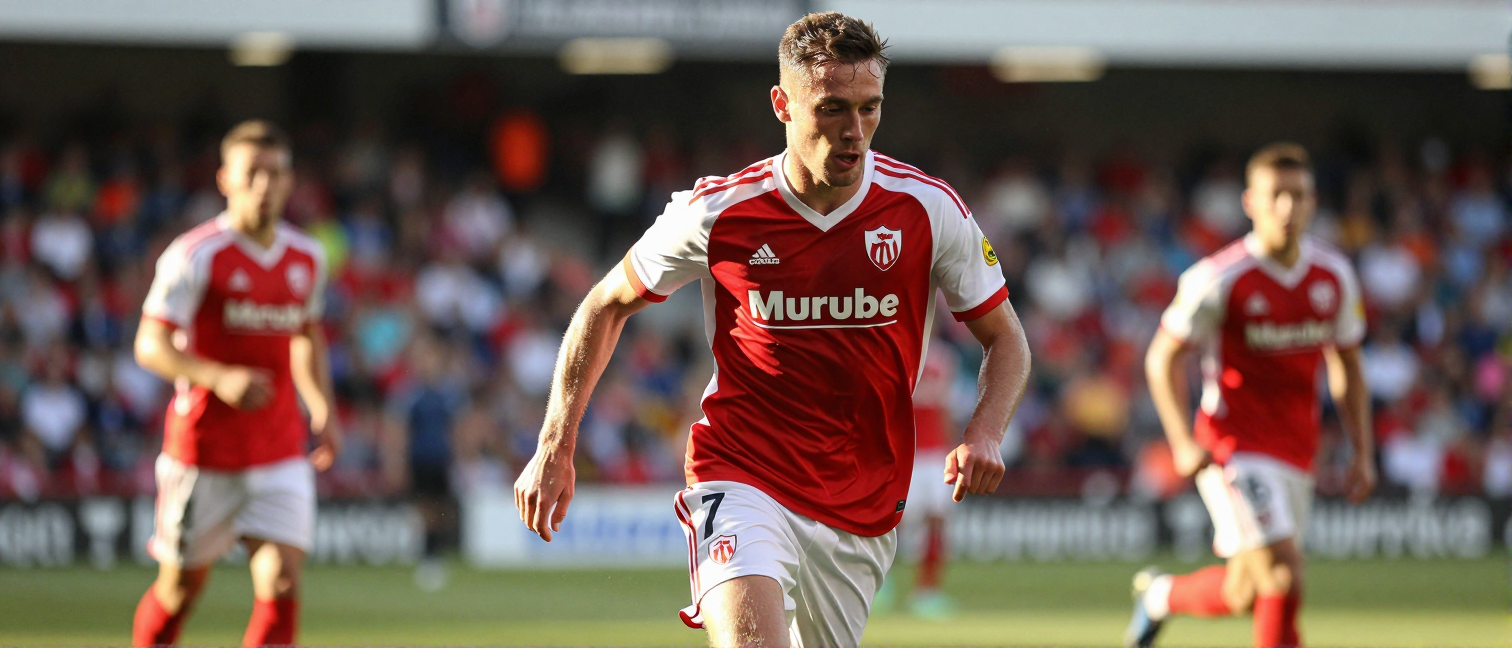
In 1971, Ceuta achieved a significant milestone by securing promotion to the Tercera División, the third tier of Spanish football. This achievement not only elevated the club’s status but also ignited a passion for football among the locals in Ceuta. The community rallied around Los Caballas, turning matches into vibrant displays of local pride and support. Fans would fill the Stadium, creating an electric atmosphere that became synonymous with home games.
During this decade, Ceuta faced fierce competition, particularly from their regional rivals, UD Melilla. These matches often turned into heated encounters, not just for points but for bragging rights in the region. The rivalry intensified, with each game reflecting the deep-rooted passion of the fans, and the players wore the badge of Ceuta with pride, knowing the weight of history and expectations that came with it.
One of the defining moments of the 1970s came in 1976 when Ceuta reached the Copa del Rey, Spain's prestigious cup competition. Although they faced daunting opponents, this run in the cup illustrated the club’s ambition and potential. The players showcased their skills on a national stage, and while they may not have secured the trophy, the experience of competing against some of Spain's top teams further solidified Ceuta's identity as a force to be reckoned with in Spanish football.
The decade was also marked by a series of talented players who donned the Ceuta jersey. Homegrown talents and seasoned veterans merged to form a competitive squad that embodied the spirit of Ceuta. The likes of Francisco "Paco" González and José Antonio "Popeye" Martínez became fan favorites, not just for their skills on the pitch but for their commitment to the club and the community. They understood the significance of representing Ceuta and inspired the next generation of players to follow in their footsteps.
As the 1970s came to a close, Ceuta had firmly established itself in the third tier of Spanish football, creating a legacy that would influence the club's future. The foundation built during this decade would pave the way for subsequent successes and challenges, ultimately enriching the club’s history. Today, as fans reflect on these moments, it’s evident that the 1970s were not just a time of competition but a crucial period for defining what it means to be a Caballa.
In conclusion, the 1970s were more than just a decade of achievements; they represented the birth of a footballing identity for Ceuta. As Los Caballas continue to strive for greatness, the echoes of that transformative era remain, reminding everyone of the club's rich history and the passionate community that supports it.